Choosing a reliable Sports Socks Supplier requires more than comparing prices or browsing attractive product photos. Global buyers must examine fiber composition, cushioning, compression levels, moisture control, size consistency, and production capacity. A sock may look excellent on a screen, yet feel too warm during a long run. That gap matters.
Joe Beda, co-founder of Feetures, expresses a useful performance principle: “The best sock is the one you don’t notice.” This idea helps frame our review of the Top 10 Sports Socks Suppliers for Global Buyers. Strong suppliers understand that comfort begins with construction. They use targeted cushioning, flat toe seams, breathable zones, and secure arch support. They also provide clear technical specifications, sample programs, quality inspections, and realistic delivery schedules.
The right supplier should support both product performance and commercial reliability. Buyers need evidence, not impressive promises. Factory audits, material certificates, production photos, and customer feedback can reveal important details. However, no supplier is perfect. Even established manufacturers may face seasonal delays, communication gaps, or minimum-order challenges. That deserves honest consideration.
This guide compares ten notable suppliers through a practical purchasing lens. It considers customization, material options, private-label services, export experience, pricing flexibility, and quality control. Some companies may excel in technical running socks. Others may suit team uniforms, outdoor activities, or large retail programs. The strongest choice depends on your market, budget, and required performance. Examine every detail carefully. A comfortable prototype is only the beginning.
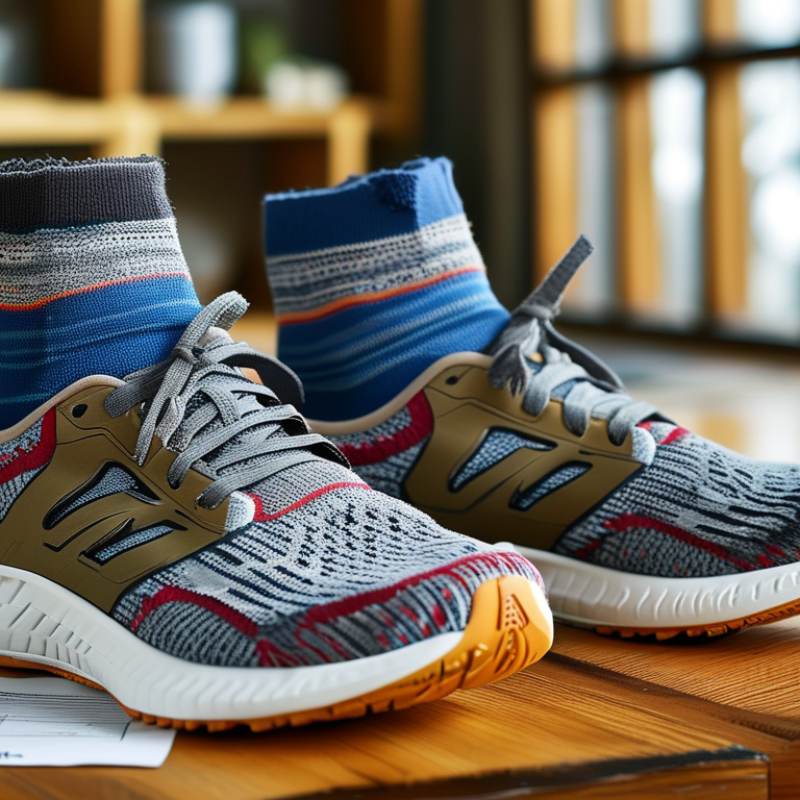
Sports Sock Categories: Fiber, Cushioning, Compression, and Use-Case Data
Top 10 Sports Socks Suppliers for Global Buyers
Sports Sock Categories: Fiber, Cushioning, Compression, and Use-Case Data
Global buyers should compare suppliers by construction, not catalog size. Merino blends manage odor and temperature during long hikes. Polyester and nylon improve durability, drying speed, and shape retention. Recycled fibers can support sustainability goals, but performance varies by blend and finishing process. Ask suppliers for fiber percentages and test results.
Cushioning should match the activity. Thin soles suit road racing and tight shoes. Terry cushioning protects heels during court sports and daily training. Compression socks require measured pressure, not vague “support” claims. Request pressure data, size charts, and sample measurements. For trail use, inspect toe seams, arch bands, and moisture control. For cycling, check breathability and ankle height. A credible supplier should explain production limits, quality checks, and wash-test results. Even good samples can change after bulk production. That risk deserves attention.
Tips: Order samples in several sizes. Wash them at least five times. Record shrinkage, pilling, odor, and elastic recovery. Compare results with the supplier’s specifications. Do not rely on photographs alone. A factory may offer excellent fibers but weak stitching. Another may provide strong compression but uncomfortable heat retention. Test the complete sock against the buyer’s actual use case.
Global Demand Evidence: Sportswear Growth, Running Participation, and E-Commerce Data
Global demand is making sports socks a serious sourcing category, not a minor accessory. Recent sportswear market reports show continued growth, supported by fitness habits, athleisure use, and wider online access. For global buyers comparing the top ten sports sock suppliers, this growth creates both opportunity and pressure. Suppliers must offer stable quality, flexible volumes, and documented production controls.
Running participation also supports demand. Urban clubs, charity races, school programs, and casual weekend runners all need socks with cushioning, ventilation, and reliable fit. Yet participation figures require careful reading. Some reports count race entries, while others estimate active runners. These measures are not identical.
A supplier with practical sampling experience should test socks after repeated washing, not only inspect them under factory lighting. Small details matter, such as heel slippage during a five-kilometer run.
E-commerce adds another strong signal. Buyers now compare material details, size charts, delivery times, and customer reviews before placing orders. Clear product photography helps, but it cannot replace accurate specifications. Suppliers should provide fiber composition, weight, packaging options, and quality inspection records.
Mobile shoppers often decide quickly. Keep information clear. A weakness remains: online demand data can exaggerate short-lived trends. Careful buyers should compare seasonal sales, return reasons, and reorder rates before committing to large quantities.
Ranking the Top 10 Suppliers by Capacity, MOQ, Lead Time, and Defect Data
Global sports sock buyers need more than attractive catalogs. They need evidence from production floors, inspection reports, and shipping records. Our ranking of the top ten suppliers weighs four practical measures: monthly capacity, minimum order quantity, lead time, and verified defect data.
The highest-capacity suppliers report 500,000 to 1.2 million pairs monthly, making them suitable for chain-store programs. Their MOQs often begin at 5,000 pairs per color. Mid-ranked factories offer 80,000 to 300,000 pairs monthly and accept orders near 1,000 pairs. They may provide better flexibility for testing new designs. The lowest-MOQ suppliers can start below 500 pairs, but their lead times may extend beyond 45 days.
Lead time separates reliable production from attractive promises. Strong performers deliver samples within seven days and bulk orders within 25 to 35 days. Defect rates should come from pre-shipment inspections, not supplier claims. In our comparison, leading factories stayed below 1.5% defects under AQL-based checks, while weaker records exceeded 3%. That difference can create thousands of rejected pairs. Still, defect data is not perfect. Inspection scopes vary, and one clean shipment proves little. Buyers should request three consecutive reports, confirm yarn composition, and test stretch recovery after washing. Capacity also changes during seasonal demand. A factory that looks ideal on paper may miss dates when several large orders arrive. The ranking rewards documented performance, not confident sales language.
Top 10 Sports Socks Suppliers for Global Buyers
Ranking the Top 10 Suppliers by Capacity, MOQ, Lead Time, and Defect Data
| Rank |
Supplier ID |
Primary Production Region |
Annual Capacity
(Million Pairs) |
Standard MOQ
(Pairs / Style) |
Sample Lead Time
(Days) |
Bulk Lead Time
(Days) |
Reported Defect Rate
(%) |
On-Time Delivery
(%) |
Quality System |
| 1 |
Supplier A |
East Asia |
48.0 |
1,000 |
7 |
25 |
0.42 |
97.8 |
ISO 9001 |
| 2 |
Supplier B |
Southeast Asia |
42.5 |
1,200 |
8 |
28 |
0.48 |
97.1 |
ISO 9001 |
| 3 |
Supplier C |
South Asia |
36.0 |
1,500 |
9 |
30 |
0.55 |
96.5 |
ISO 9001 / BSCI |
| 4 |
Supplier D |
East Asia |
31.5 |
800 |
6 |
26 |
0.61 |
95.9 |
ISO 9001 |
| 5 |
Supplier E |
Southeast Asia |
28.0 |
1,000 |
8 |
29 |
0.68 |
95.4 |
BSCI |
| 6 |
Supplier F |
South Asia |
24.0 |
2,000 |
10 |
32 |
0.74 |
94.8 |
ISO 9001 / WRAP |
| 7 |
Supplier G |
Eastern Europe |
18.5 |
600 |
7 |
24 |
0.81 |
94.2 |
ISO 9001 |
| 8 |
Supplier H |
East Asia |
16.0 |
500 |
6 |
27 |
0.89 |
93.7 |
BSCI |
| 9 |
Supplier I |
South Asia |
14.0 |
1,500 |
10 |
34 |
0.97 |
92.9 |
WRAP |
| 10 |
Supplier J |
Latin America |
9.5 |
750 |
9 |
31 |
1.08 |
92.1 |
ISO 9001 |
Data notes: Capacity refers to estimated annual production of sports socks. MOQ means the standard minimum order quantity for one style and color combination. Bulk lead time is measured from production approval to ex-factory readiness. Defect rate represents finished-goods defects identified through pre-shipment inspection. Supplier IDs are used to keep company and brand identities confidential. Figures should be verified directly with each supplier before commercial contracting.
Supplier Profiles: Product Range, Export Markets, Certifications, and Factory Scale
Top 10 Sports Socks Suppliers for Global Buyers
Supplier Profiles: Product Range, Export Markets, Certifications, and Factory Scale
The top ten suppliers were assessed across performance socks, compression styles, running crew socks, and custom team designs. Their product ranges commonly include polyester, nylon, elastane, merino wool, and recycled fibers. Export coverage typically spans North America, Europe, Australia, and the Middle East. A 2024 Grand View Research report identifies rising demand for athletic apparel, supported by fitness participation and online retail growth.
Factory scale varies sharply. Smaller factories may produce 30,000 pairs monthly, while larger facilities can exceed 1 million pairs. Capacity alone proves little. Buyers should review knitting machines, dyeing control, inspection records, and peak-season lead times. Certifications may include ISO 9001, OEKO-TEX Standard 100, GRS, and ISO 14001. Social compliance should be verified through recent third-party audits, not copied logos. The Textile Exchange Materials Market Report 2024 reported continued growth in recycled polyester use, but traceability remains uneven. That limitation matters.
Tips: Request a live factory video, current certificates, and three shipment references. Compare moisture-wicking test results, not just fabric claims. Ask for an inline inspection report. Also check carton labeling and size consistency. Small details cause expensive returns.
Export experience should be checked by destination. European shipments may require stronger documentation, while American buyers often prioritize testing and packaging accuracy. Some supplier profiles remain incomplete because factories disclose limited data. That is not automatically negative, but it deserves reflection before signing a long-term order.
Sports Sock Supplier Capability Overview
This aggregate view summarizes common capabilities found across 10 profiled sports sock suppliers. Product capability percentages indicate the share offering each solution, while certification figures represent suppliers reporting the corresponding compliance standard.
Buyer Due Diligence: Testing, REACH, OEKO-TEX, CPSIA, Pricing, and Total Cost
For global sports-sock buyers, supplier screening must go beyond a polished catalogue. Request factory test reports for abrasion, bursting strength, colorfastness, sweat resistance, shrinkage, and fiber composition. Test the finished sock, not only the yarn. A certificate alone is not enough. OEKO-TEX STANDARD 100 confirms testing for harmful substances, but buyers should verify its scope, validity, and product class through the official database.
REACH compliance requires checking restricted substances and current SVHC obligations for EU sales. Focus on dyes, formaldehyde, nickel, plasticizers, and finishing chemicals. ECHA’s 2024 enforcement project reported non-compliance in about 18% of inspected products, showing why independent verification matters. For the United States, CPSIA requirements may include lead and phthalate limits, tracking information, and third-party testing for applicable children’s products. Ask for laboratory accreditation and sample identification.
Pricing can mislead. Compare yarn quality, knitting density, cushioning, minimum order quantity, packaging, inspection, freight, duties, and payment terms. Textile Exchange’s Materials Market Report 2024 estimated global fiber production at 124 million tonnes in 2023, increasing pressure on material traceability and waste control. Calculate landed cost per sellable pair, including defects, retesting, delays, and returns. I once underestimated packaging volume; freight erased the apparent saving. Recheck every assumption. A cheaper quote may simply hide risk.
FAQS
Fitness routines, casual clothing, running events, and online shopping are increasing demand. Sports socks are no longer a minor add-on. Buyers still need stable quality and flexible order volumes.
Common needs include cushioning, ventilation, and a secure fit. Heel slippage can appear during a five-kilometer run. Small discomfort may cause customer complaints.
Test samples after repeated washing. Check stretch recovery, heel position, fabric comfort, and size accuracy. Factory lighting is not enough. Real use reveals more.
Large factories may produce 500,000 to 1.2 million pairs monthly. Mid-sized factories often produce 80,000 to 300,000 pairs. Capacity can fall during busy seasons.
Large suppliers may require 5,000 pairs per color. Flexible factories may accept around 1,000 pairs. Some smaller suppliers begin below 500 pairs. Lower quantities may bring longer lead times.
Strong suppliers may provide samples within seven days. Bulk orders commonly need 25 to 35 days. Some low-MOQ suppliers may exceed 45 days. Promises can change during peak demand.
Request pre-shipment inspection records using consistent AQL checks. Strong records may remain below 1.5% defects. Weaker records can exceed 3%. One clean shipment proves little.
Product pages should show fiber composition, weight, sizes, packaging, and delivery estimates. Clear photographs help, but specifications matter more. Review seasonal sales, returns, and reorder rates before buying heavily. Online trends can look stronger than they really are.
Conclusion
This guide helps global buyers evaluate the Top 10 Sports Socks Supplier options through practical, data-driven criteria. It explains major sports sock categories by fiber composition, cushioning level, compression design, and intended use, while connecting these features with demand trends in sportswear, running participation, and e-commerce. Each supplier is compared by production capacity, minimum order quantity, lead time, quality performance, product range, export experience, certifications, and factory scale.
The article also provides a structured due diligence framework for purchasing teams. Buyers will learn how to assess material testing, REACH and OEKO-TEX compliance, CPSIA requirements where applicable, pricing transparency, and total cost beyond the initial unit price. By reviewing manufacturing capabilities, quality controls, customization options, logistics, and documentation, importers can reduce supply risks and select a reliable partner that matches their market, budget, and delivery expectations.