
Top 10 Sports Socks Manufacturers for Global Buyers

Time:2026-09-22 Author:Madeline
0%

Choosing a dependable sports sock supplier can shape comfort, performance, and customer loyalty. This guide introduces the Top 10 Sports Socks Manufacturers for Global Buyers, focusing on practical purchasing needs rather than attractive claims alone. Each company is considered through product quality, manufacturing capability, material options, customization, certifications, and export experience. These details matter when socks must perform through repeated washing, long training sessions, and changing climates.

The evaluation reflects common buyer priorities in athletic apparel sourcing. We examine fibers such as merino wool, recycled polyester, nylon, and elastane. We also consider cushioning zones, arch support, ventilation panels, seamless toes, and size consistency. A factory may produce impressive samples but struggle with large orders. That difference deserves attention. Production capacity, quality control procedures, packaging standards, lead times, and communication can influence the final buying decision as much as unit price.

Real-world sourcing is rarely perfect. Minimum order quantities may limit smaller brands. Certification coverage can differ by product or facility. Some supplier information may also change over time, so buyers should verify current documents directly. This list is a practical starting point, not a substitute for sampling, factory audits, or contract review. Request physical samples, test them after washing, and compare performance against your target market. Small checks often prevent expensive mistakes. By combining supplier research with hands-on testing, global buyers can identify manufacturers that offer reliable quality, flexible development, and clearer long-term cooperation. There is no universal winner. The best choice depends on product goals, budget, market standards, and delivery expectations.
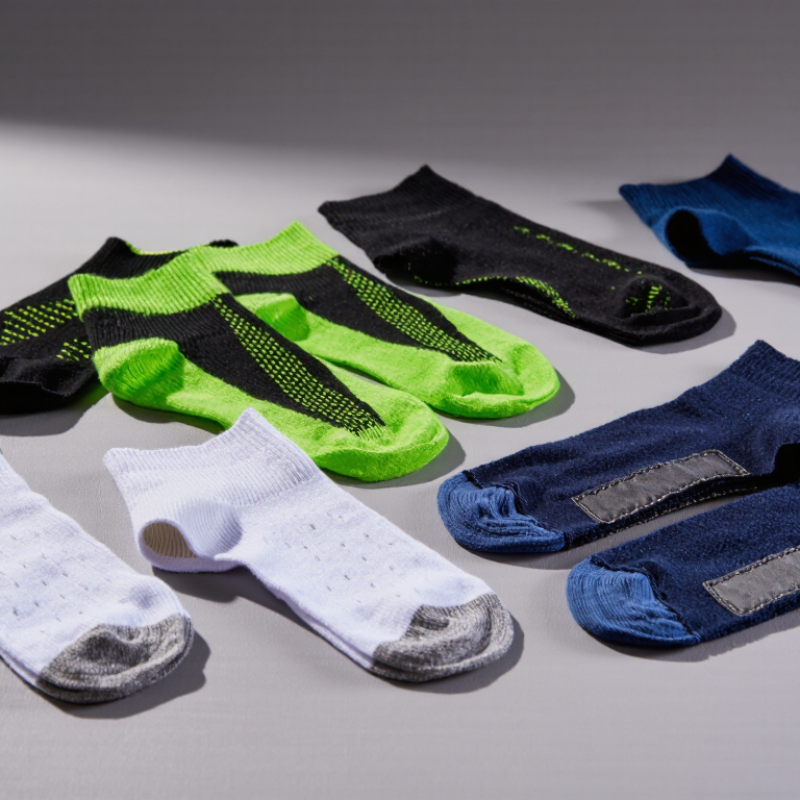
Top 10 Sports Socks Manufacturers for Global Buyers

Sports Socks Manufacturing: Materials, Technologies, and Product Types

Top 10 Sports Socks Manufacturers for Global Buyers

Sports Socks Manufacturing: Materials, Technologies, and Product Types

Sports socks manufacturing begins with fiber selection. Nylon improves abrasion resistance, while polyester dries quickly and retains color. Merino wool helps regulate temperature and odor, but it requires careful washing. Cotton feels soft, yet it holds moisture during hard training. No material wins every test. Many experienced factories blend fibers for balance. A common running blend may include nylon, polyester, and elastane. Elastane supports stretch and recovery around the foot.

Modern knitting machines create seamless toes, ventilation zones, and targeted cushioning. Mesh panels release heat across the instep. Terry loops absorb impact under the heel and forefoot. Arch support can improve stability, but excessive pressure may reduce comfort. Manufacturers should test stretch after repeated washing. They should also check colorfastness, seam strength, and size consistency. Small differences become serious during large production runs.

Product types include running socks, cycling socks, hiking socks, training socks, and team-length designs. Running models often use lightweight yarns and quick-drying structures. Hiking socks usually need thicker cushioning and stronger abrasion resistance. Cycling styles may use low bulk and firm ankle support. Buyers should request samples in several sizes and test them with actual footwear. A polished sample can hide production weaknesses. Clear fiber percentages, wash instructions, and inspection records make supplier comparisons more reliable.

How to Evaluate Global Sports Socks Manufacturers

Choosing among the top 10 sports socks manufacturers requires more than comparing catalog photos.

Global buyers should inspect production experience, material knowledge, and quality controls. Ask how manufacturers manage moisture-wicking yarn, elastic recovery, cushioning zones, and repeated washing. A factory that explains these details clearly usually understands real sports use.

Request samples from the same production line, not only showroom pieces. Check toe seams, heel shape, compression consistency, colorfastness, and fabric rebound after washing.

Review recent test reports from recognized laboratories, and confirm whether results match the actual yarn composition. Visit the facility when practical. Observe machine maintenance, worker procedures, inspection records, and packing conditions. Small details matter.

Tips:

Compare minimum order quantities, lead times, sampling charges, payment terms, and defect-handling procedures. Ask for a written quality standard with measurable limits. Confirm production capacity during peak seasons.

A supplier may promise fast delivery, but capacity claims need evidence. Communication also deserves testing; send a technical question and measure the response. Slow or vague replies can create expensive misunderstandings.

Traceability is another useful measure.

Reliable manufacturers should identify yarn sources, dyeing stages, and inspection points. Sustainability claims require documents, not attractive wording. I have found that even experienced buyers sometimes overlook label accuracy or carton strength.

That mistake is easy to make. It is also costly.

Keep a pilot order before committing to large-scale production, because a polished sample may not represent everyday factory performance.

Profiles of the Top 10 Sports Socks Manufacturers

Top 10 Sports Socks Manufacturers for Global Buyers

Profiles of the Top 10 Sports Socks Manufacturers

The first profile is a factory focused on compression socks, using graduated pressure and measured ankle zones. A second specializes in running socks with ventilated mesh across the instep. Another produces basketball socks with reinforced heels and thick cushioning. A fourth serves cycling brands with low-profile, sweat-wicking designs. One manufacturer develops seamless toe construction, reducing friction during long training sessions. A sixth offers merino-blend socks for cold-weather sports and outdoor use. Another concentrates on recycled fibers, although buyers should verify the actual material percentage. A technical factory makes anti-slip socks for studio workouts and indoor training. One supplier supports custom team orders with color matching and woven logos. The final profile is a flexible factory producing private-label socks in small and medium batches.

Details matter. Ask for fiber composition, wash-test results, size charts, and sample reports. A reliable supplier should explain its knitting process clearly. Factory audits can reveal working conditions, quality controls, and packing practices. Some manufacturers appear impressive online but provide inconsistent samples. That risk deserves attention.

Tips: Test socks after repeated washing, not only after delivery. Check seam strength near the toes. Compare moisture control during actual exercise. Request certificates from recognized testing bodies, and confirm they match the current production site. A low price may hide weaker elastic or unstable sizing. Build a written specification before placing a bulk order.

Top 10 Sports Socks Manufacturers for Global Buyers - Profiles of the Top 10 Sports Socks Manufacturers

Rank Anonymous Manufacturer Profile Primary Production Region Core Sports Sock Categories Key Material Capabilities Common Technical Features Typical Compliance Requirements Typical Buyer Applications Indicative MOQ Range Indicative Production Lead Time
01 Profile A Eastern China Running, cycling, football, basketball Polyester, nylon, cotton, recycled polyester, elastane Cushioned sole, arch support, mesh ventilation, seamless toe OEKO-TEX® materials where specified; buyer-required factory audits Private-label retailers, sports teams, e-commerce brands 500–3,000 pairs per design 25–45 days after approval
02 Profile B Western Turkey Running, hiking, trekking, outdoor work Merino wool blends, acrylic, polyamide, elastane Thermal insulation, reinforced heel and toe, moisture management REACH-related material controls; social compliance available on request Outdoor distributors, workwear suppliers, specialty retailers 1,000–5,000 pairs per style 30–50 days after confirmation
03 Profile C Northern Italy Cycling, skiing, premium running, lifestyle sport Fine-gauge polyamide, merino wool, polypropylene, elastane Anatomical fit, graduated compression zones, flat seams EU product and chemical compliance; traceability documentation commonly available Premium brands, specialty sporting-goods chains, clubs 300–1,500 pairs per colorway 35–60 days after sample approval
04 Profile D Northern Portugal Running, tennis, padel, football Cotton blends, recycled polyester, polyamide, elastane Jacquard knitting, ribbed cuffs, breathable panels, custom packaging EU chemical compliance; recycled-content claims require supporting documentation European private labels, teamwear companies, department stores 500–2,500 pairs per design 30–55 days after order placement
05 Profile E Southern Vietnam Running, gym, basketball, volleyball Polyester, nylon, spandex, recycled yarns Quick-dry construction, ventilation zones, anti-slip options Buyer-specific social audits; restricted-substance testing available Mass-market sports retailers, promotional programs, online sellers 1,000–5,000 pairs per design 35–60 days after approval
06 Profile F Punjab, Pakistan Cricket, football, school sports, basic training Cotton, polyester, acrylic, nylon, elastane Rib cuffs, terry cushioning, team colors, embroidered logos Buyer-requested inspection and social-compliance programs Teamwear distributors, school uniform suppliers, promotional buyers 1,000–10,000 pairs per design 30–55 days after specification approval
07 Profile G Southern India Running, yoga, gym, football Organic cotton, recycled polyester, nylon, elastane Low-cut and crew constructions, moisture control, cushioned footbeds Organic or recycled claims require certification; buyer audits commonly used Sustainable labels, sports retailers, corporate wellness programs 500–3,000 pairs per style 35–65 days after final approval
08 Profile H Bangladesh Basic running, football, school and team sports Cotton, polyester, polypropylene, elastane Cost-efficient knitting, rib structures, standard cushioning, custom color matching Retailer-specific social and quality audits; material testing by request Value retailers, institutional buyers, promotional programs 2,000–10,000 pairs per design 40–70 days after order confirmation
09 Profile I South Korea Performance running, golf, hiking, compression High-tenacity nylon, polyester, polypropylene, elastane Engineered compression, anatomical left-right fit, anti-blister cushioning Performance testing and chemical compliance based on destination market Technical sports labels, medical-support channels, specialty retailers 300–2,000 pairs per design 35–60 days after technical approval
10 Profile J Taiwan Cycling, running, mountaineering, technical outdoor sports Nylon, Coolmax-type polyester, polypropylene, merino blends, elastane Fine-gauge knitting, targeted ventilation, compression zones, seamless construction Destination-market labeling and restricted-substance requirements; testing available Technical distributors, outdoor brands, cycling retailers, specialty e-commerce 300–2,000 pairs per colorway 35–65 days after sample approval

Note: MOQ and lead-time figures are indicative industry ranges for comparable production programs. Actual specifications, certifications, testing, pricing, and delivery schedules should be confirmed directly with each supplier before purchasing.

Comparing Production Capacity, Quality, and Customization Services

Top 10 Sports Socks Manufacturers for Global Buyers

Comparing production capacity requires more than reading a monthly output figure. Buyers should check machine numbers, knitting speeds, raw material access, and quality control staffing. A factory producing 500,000 pairs monthly may still struggle with urgent replenishment. Ask for recent production records and sample shipment schedules. I once treated capacity as proof of reliability. That was a mistake. Stable delivery depends on planning, maintenance, and skilled operators.

Quality should be measured through visible and tested details. Inspect yarn consistency, cushioning density, toe-seam comfort, elastic recovery, and colorfastness. For running socks, moisture control and blister prevention deserve practical wear testing. For team socks, sizing accuracy matters across repeated orders. Request inspection reports, defect limits, and batch traceability. Small details matter. A beautiful sample means little if the fifth shipment feels different.

Customization separates flexible manufacturers from simple volume suppliers. Compare their ability to develop patterns, adjust compression zones, modify labels, and support recycled or performance fibers. Confirm minimum order quantities, sample fees, prototype timing, and mold or artwork ownership in writing. Strong suppliers explain limitations before accepting payment. That honesty is valuable. However, customization can weaken consistency when specifications remain vague. Provide a measurement sheet, approved color references, packaging drawings, and signed pre-production samples. A useful comparison table should score capacity, quality evidence, customization depth, communication speed, and corrective-action performance. This approach is less glamorous, but far more dependable for global purchasing decisions.

Global Sourcing Factors for Sports Socks Buyers

Top 10 Sports Socks Manufacturers for Global Buyers

Global Sourcing Factors for Sports Socks Buyers

Choosing a sports sock manufacturer requires more than comparing unit prices. Buyers should inspect fiber content, cushioning zones, arch support, and moisture control. A running sock may need breathable mesh across the instep and reinforced yarn around the heel. Ask for technical specifications, not broad claims.

Request pre-production samples in several sizes. Check stretch recovery, seam softness, colorfastness, and washing performance. Testing should follow recognized textile standards and match the destination market’s requirements. Factory audits can review machinery, worker safety, quality records, and production capacity. Certifications matter, but current documents should be verified independently.

Small minimum order quantities can help new buyers test demand. However, lower volumes may increase the cost per pair. Confirm lead times for yarn booking, knitting, inspection, and shipping. A clear defect policy is essential. Include acceptable tolerance levels for size, weight, and logo placement. Details prevent disputes.

Do not trust the first quotation. Hidden costs may include mold fees, packaging, customs paperwork, or rush freight. One practical mistake is approving a perfect sample before checking bulk consistency. Ask for inline photos and random inspection reports. Communication also needs testing. Slow replies during sampling may create bigger problems during shipment. A dependable supplier explains limits honestly, even when the answer is inconvenient.

FAQS

Which materials are common in sports socks?

Nylon resists abrasion, while polyester dries quickly and keeps color stable. Merino wool helps regulate temperature and odor. Cotton feels soft but retains sweat during intense training. No fiber wins every test.

Why do manufacturers blend several fibers?

Blending balances durability, drying speed, softness, and stretch. A running sock may combine nylon, polyester, and elastane. This combination supports recovery around the foot. The percentages still need verification.

What knitting features improve sports sock performance?

Seamless toes reduce friction during long sessions. Mesh panels release heat across the instep. Terry loops cushion the heel and forefoot. Too much arch pressure can reduce comfort.

How should buyers choose socks for different sports?

Running socks usually need lightweight yarns and quick drying. Hiking socks need thicker cushioning and stronger abrasion resistance. Cycling socks often use low bulk and firm ankle support. Match the sock with actual footwear.

What should buyers check in product samples?

Request several sizes and wear them with training shoes. Check toe seams, heel cushioning, ankle pressure, and moisture control. Wash the samples repeatedly. A polished sample can still hide production weaknesses.

Which quality tests are important during production?

Check stretch recovery after repeated washing. Inspect colorfastness, seam strength, and size consistency. Review fiber percentages and wash instructions. Small sizing differences can become serious in bulk orders.

How can buyers compare different factories fairly?

Ask for sample reports, size charts, fiber details, and wash-test results. Review inspection records and the knitting process. Factory audits can reveal quality controls and packing practices. Online presentation alone proves little.

Is the lowest price usually the best choice?

Not always. A low price may reflect weaker elastic or unstable sizing. Compare performance after washing, not only the delivery appearance. I would write every requirement clearly before ordering. That step is easy to miss.

Conclusion

This guide explores the sports socks industry from a practical global sourcing perspective. It explains the main materials used in production, including cotton blends, polyester, nylon, elastane, and performance fibers, as well as technologies such as moisture management, cushioning, compression, ventilation, and seamless knitting. It also reviews common product types for running, cycling, training, outdoor activities, and everyday sportswear. By understanding these factors, buyers can better assess product performance, comfort, durability, and suitability for different markets.

The article also presents a framework for evaluating Sports Socks Manufacturers, focusing on production capacity, quality control, customization capabilities, certifications, communication, lead times, and export experience. It compares how manufacturers handle private-label development, packaging, color selection, sizing, sampling, and large-volume orders. Finally, it highlights important global sourcing considerations, including pricing, shipping efficiency, order flexibility, compliance with destination-market requirements, and long-term supplier reliability, helping buyers make informed and sustainable purchasing decisions.

Madeline

Madeline

Madeline is a dedicated marketing professional with a wealth of expertise in our company's core offerings. With a keen understanding of the industry, she brings a unique perspective to her role, consistently delivering high-quality content that highlights the superior aspects of our products. As......