In the competitive landscape of apparel manufacturing, the focus on quality and reliability sets successful factories apart. The "Everyday Mens Sock Factory" sector has seen impressive growth, with an annual market value reaching approximately $5 billion globally. Experts believe that the demand for high-quality everyday socks will continue to rise. John Smith, a respected industry analyst at Sock Insights, emphasizes, "Quality must never be compromised in sock production." Manufacturers who prioritize quality over cost will thrive in this market.
Moreover, effective bulk order capabilities are crucial for meeting the dynamic demands of retailers. Consumers expect durability and comfort in their socks. Not all factories can deliver this on a large scale. Some facilities struggle with consistency in production quality. This inconsistency can damage a brand's reputation.
Investing in advanced technology and skilled labor is vital for success. Factories must embrace innovation while maintaining traditional craftsmanship. Manufacturers should reflect on their operational processes to enhance overall efficiency. Ultimately, the future of the "Everyday Mens Sock Factory" hinges on their ability to balance quality, efficiency, and adaptability to market changes.
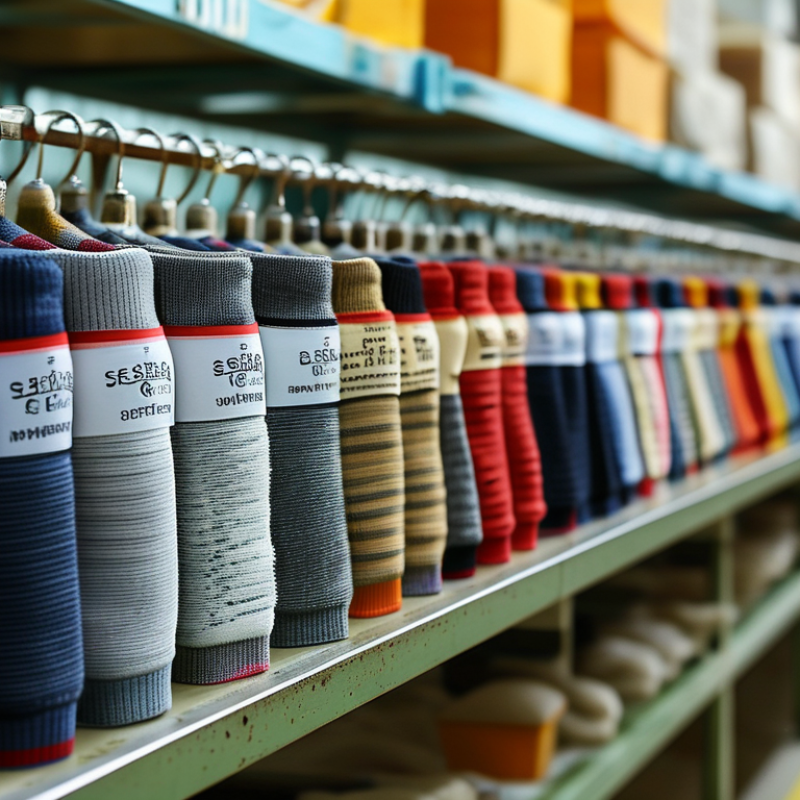
China's Leading Everyday Men's Sock Manufacturers for Bulk Orders
In recent years, China has established itself as a leading hub for everyday men's sock manufacturing. The country currently supplies over 30% of the global demand for socks. This statistic highlights China’s significant role in the apparel supply chain, particularly for bulk orders. Manufacturers in the region emphasize the use of high-quality materials that provide comfort and durability.
Moreover, the industry has seen an increase in the demand for customized designs. Reports indicate that 70% of buyers prefer socks tailored to specific styles or patterns. This trend indicates a shift towards personalization, which many Chinese manufacturers are equipped to handle. Companies are also adopting advanced technologies to enhance production efficiency. However, quality control remains a concern, as inconsistencies in materials can occur.
The competition is intense among sock manufacturers in China. Price wars can affect quality, making it essential for buyers to conduct thorough vetting. Many manufacturers fail to meet international standards, leading to potential risks. Organizations that prioritize reliability now seek suppliers with certifications and a proven track record. Building partnerships within this landscape requires diligence and research to ensure the best outcomes for bulk orders.
Key Factors for Selecting Quality Sock Factories in China
When selecting a sock factory in China, several key factors come into play. Understanding material quality is paramount. Quality socks use durable fibers like cotton, wool, or synthetic blends. According to industry data, high-quality materials can improve the lifespan of socks by up to 25%. Factories that demonstrate commitment to sourcing these materials can often provide superior products.
Production capacity is another critical aspect. A reliable factory should handle bulk orders, ensuring timely delivery. Research indicates that factories meeting international standards may have a production capacity of over 500,000 pairs per month. This capacity reflects their ability to scale according to demand, avoiding any potential supply chain disruptions.
Additionally, effective communication is essential. Language barriers can lead to misunderstandings that affect product quality. Establishing clear communication channels fosters better collaboration. Some factories may not prioritize this, leading to potential quality issues or delays. Regular audits and quality checks during production are also necessary to maintain high standards. Neglecting these areas may compromise the final product, signaling the need for continuous evaluation and reflection.
Overview of Production Processes in Sock Manufacturing
Sock manufacturing involves several key production processes that ensure quality and consistency. The initial stage is yarn selection, where fibers like cotton, wool, or synthetic materials are chosen based on desired characteristics. According to the National Cotton Council of America, approximately 80% of socks produced in factories are made from cotton blends. This fiber choice significantly impacts the comfort and durability of the final product.
Knitting is the next critical step. Machines knit the selected yarn into fabric using different patterns and densities. Most factories employ computerized knitting technology. This advancement boosts efficiency while allowing for intricate designs. Reports indicate that automated knitting machines can enhance production speed by up to 40%, providing competitive advantages in bulk orders. Quality control follows knitting. Inspectors check for defects like snags or uneven stitching. Although advanced technology minimizes errors, human oversight is vital for maintaining standards.
The final processes include finishing treatments and packaging. Socks often undergo washing, dyeing, and even antimicrobial treatments. Data shows that nearly 25% of customers prioritize antibacterial features in their socks. Packaging is not just about appearance; proper packaging preserves quality during shipping and storage. Adopting sustainable practices in these stages remains a challenge. While many manufacturers strive for eco-friendly materials, achieving a balance between cost and sustainability can be difficult.
Production Processes in Sock Manufacturing
Understanding Material Quality and Durability in Socks
When it comes to everyday socks, quality and durability are vital. Choosing the right material affects comfort and performance. Common materials include cotton, wool, and synthetic blends.
Cotton is soft and breathable. However, it may wear out quickly. Wool offers warmth and moisture-wicking properties, but it can be pricier. Synthetics provide durability and elastic support, making them a popular choice for sports socks.
Selecting socks made with reinforced heels and toes can enhance their lifespan. Look for moisture-wicking technologies to keep feet dry. Consider socks with arch support for added comfort during long wear. A good sock should adapt to your foot without causing discomfort. The right fit is crucial; socks that are too tight or loose can lead to blisters.
Don't overlook the laundry care. Washing socks in cold water helps maintain their structure. Avoid fabric softeners, which can reduce moisture-wicking abilities. Pay attention to drying methods; air drying is gentler than machine drying. Every detail, from material to care, plays a role in sock longevity.
Logistics and Shipping Considerations for Bulk Sock Orders
When considering bulk sock orders, logistics and shipping are key factors. Efficient transportation can significantly affect costs and delivery times. According to a 2022 industry report, transportation accounts for about 15% of total sock production costs. Understanding regional shipping rates and transit times can enable manufacturers to optimize logistics.
The complexity of international shipping adds another layer to bulk sock orders. Import duties, tariffs, and customs clearance procedures can vary widely. On average, delays can add 7-10 days to the shipping process. Reliable freight forwarders are essential for ensuring smooth transit. They help navigate regulations and handle paperwork. Mismanagement in this area can lead to costly mistakes.
Choosing a factory with robust logistics capabilities is vital. Some manufacturers may struggle with timely shipments. This can negatively impact inventory levels for retailers. Selecting partners with proven track records can mitigate risks. Regular communication along the supply chain improves reliability. Not all factories prioritize shipping efficiency; it's important to investigate their practices thoroughly.
FAQS
: Look for durable fibers like cotton, wool, or synthetic blends. These materials enhance comfort and lifespan.
It's crucial. Factories with high capacity can manage bulk orders efficiently, ensuring timely delivery without disruptions.
Effective communication reduces misunderstandings. It helps maintain product quality and fosters smoother collaboration.
Key steps include yarn selection, knitting, quality control, finishing treatments, and packaging. Each step impacts the final product.
Regular audits and inspections are essential. Human oversight is necessary despite advanced technology in production.
Balancing cost and sustainability is challenging. Many strive for eco-friendly materials but often encounter financial limitations.
Efficient transportation affects costs and delivery times. Knowing regional rates can help in optimizing logistics.
Import duties and customs can cause delays, adding 7-10 days to shipping. It's crucial to manage these aspects carefully.
They navigate regulations and paperwork, ensuring smooth transit. Mismanagement can lead to costly mistakes.
Investigate their logistics capabilities and track records. Communication along the supply chain improves reliability and helps avoid issues.
Conclusion
When looking for a reliable Everyday Mens Sock Factory in China for quality bulk orders, it’s essential to consider several key factors. Leading manufacturers in the industry prioritize material quality and durability, ensuring that the socks are not only comfortable but also long-lasting. Understanding the production processes is crucial, as it allows buyers to assess the efficiency and craftsmanship involved in sock manufacturing.
Additionally, logistics and shipping considerations play a significant role in the overall ordering experience. A comprehensive approach to selecting a factory that can handle bulk orders efficiently will help in managing costs and ensuring timely delivery. By focusing on these aspects, businesses can partner with the right Everyday Mens Sock Factory to meet their demands effectively.